
The Smells of an Indian Childhood: A Field Guide
The smells of an Indian childhood are mostly the smells of home: jasmine strung into a gajra at dusk, agarbatti and camphor at the evening aarti, khus mats dripping on the cooler in May, and the first rain on dry earth. They rarely came in a bottle. They came from kitchens, courtyards, festivals and the people who raised us.
This is a field guide to some of them, arranged the way a childhood day was: morning, afternoon, evening, and the seasons that came round every year. If one of them stops you for a second, that's the point.
Morning
Agarbatti and camphor at the puja. The day often began with a thin line of smoke from the mandir, sandalwood or rose, and the sharp, cooling smell of camphor as the flame went round. Even people who don't pray remember it.
Tulsi in the courtyard. Holy basil, watered first thing, slightly peppery and green when you brushed past the pot.
Milk boiling over, and chai with cardamom. The smell of a kitchen waking up. Elaichi crushed in a small steel mortar, ginger if it was cold.
Coconut oil on a Sunday. Hair oiled before a bath, the smell of coconut on the pillow cover for the rest of the day.
Afternoon
Khus on the cooler. In North Indian summers, the cooler's khus mats were soaked with water, and the air that came through smelled earthy, green and cool. Khus is vetiver, a grass whose roots carry that smell.
Mangoes ripening in the dark. Summer holidays meant a box of mangoes wrapped in hay or newspaper under the bed, getting sweeter, and the whole room knowing it.
Hot cotton from the presswala. Clothes coming back folded and warm from the coal iron, smelling faintly of heat and starch.
New books in June. A fresh set of textbooks, the paper and ink, brown cover paper and a new school year.
Evening
Jasmine at dusk. Mogra flowers, strung into a gajra and pinned into hair just as the light softened. Jasmine smells strongest in the evening, which is why it belongs to that hour in so many memories.
Freshly mopped floors. The cool, clean smell of a washed floor, the house reset before the evening began.
Dinner from the next house. Tadka hitting hot oil somewhere down the corridor, and knowing exactly what the neighbours were making.
Monsoon
The first rain on dry earth. That smell has a name: petrichor, coined by two Australian scientists in the 1960s. Part of it comes from geosmin, a compound made by bacteria in soil, which the human nose can detect at tiny concentrations. Indian perfumers have long tried to bottle it as mitti attar, distilled in Kannauj from baked earth.
Bhutta on coals. Corn roasted on a street cart, lime and salt and chilli rubbed into it, smoke rising into wet air.
Damp umbrellas by the door. Not a pleasant smell, exactly, but nobody who grew up with monsoons forgets it.
Festivals and weddings
Rose at weddings. Petals on the floor of the mandap, rose water sprinkled on guests, rose sherbet in steel glasses. Rose is the smell of celebration in more Indian families than any other flower.
Marigold garlands. Genda flowers on doors and gods, bitter, green and earthy rather than sweet.
Diwali kitchens. Ghee warming for sweets, besan roasting, the smell of the house in the week before the festival, and diyas the night itself.
Thandai at Holi. Fennel, cardamom, rose and milk, chilled in a big vessel and shared out on the terrace.
Winter
Woollens out of the trunk. The first cold morning, a trunk opened, shawls and sweaters smelling of mothballs and months in the dark.
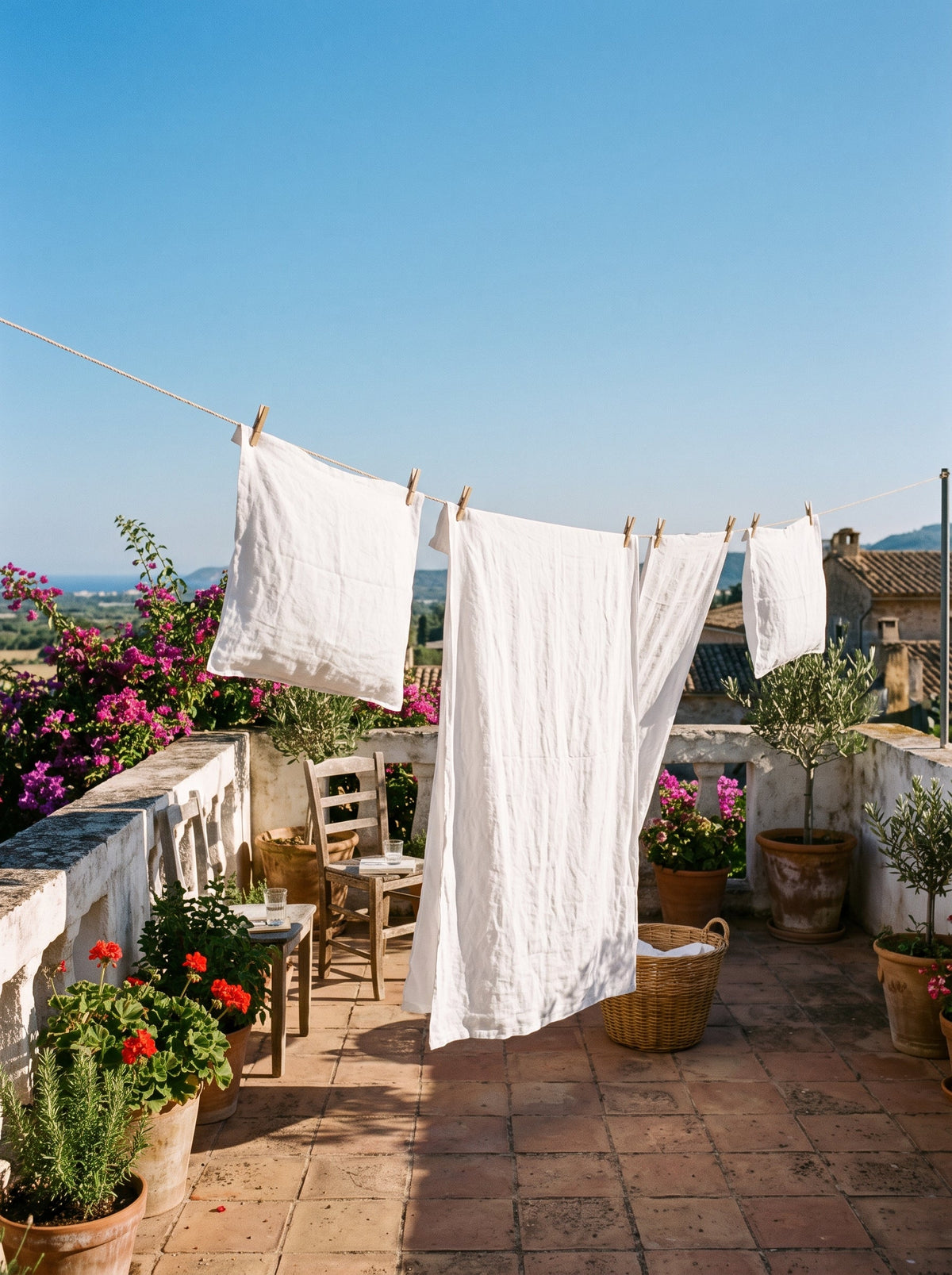
A quilt warmed on the terrace. Rajais put out in the sun, and that warm, toasted-cotton smell at bedtime.
Roasted peanuts and gur. Paper cones of hot peanuts from a cart, jaggery in the kitchen, sesame laddoos at Lohri and Makar Sankranti.
Why these smells stay with us
Smell is wired closely to the parts of the brain that handle emotion and memory, and research suggests that the memories smells bring back tend to come from early childhood. That's why one breath of jasmine in a crowded market can feel like a whole evening from thirty years ago. We go into the science in Why Smell Triggers Memory.
It also means that the smells in your home today are someone's childhood smells tomorrow. If you'd like to choose them more deliberately, read How to Create a Signature Scent for Your Home.
Bringing a few of them home
Nectélle began with lists like this one. Our scents start from memories most Indian homes already hold.
- Gajra Reed Diffuser: a fresh jasmine garland, the evening hour in a bottle. For the entrance, living room and hallway.
- Gulab Reed Diffuser: rose petals with a lift of magnolia, the rose of weddings and festivals. For the living room, dining room and guest room.
- Kashmiri Lavender Reed Diffuser: soft lavender and cool eucalyptus, for the bedroom, study and bathroom. A newer memory for most of us, and one worth starting.
All three come together in The Home Scents Set. Each is flame-free, hand-poured in small batches in India, and lasts up to six weeks. You can read more about where we come from in our story.
Which smell is yours? Tell us the one that takes you straight back, and tag us on Instagram at @nectelle.official.
Frequently asked questions
What are the most nostalgic smells in India?
Jasmine and rose, agarbatti and camphor, the first rain on dry earth, khus on a cooler, ripening mangoes, cardamom chai and marigold garlands come up again and again. Most are tied to home, prayer, festivals and summer holidays.
What causes the smell of rain?
The smell of rain on dry ground is called petrichor. Part of it comes from geosmin, a compound produced by soil bacteria, which our noses are extremely sensitive to.
What is mitti attar?
Mitti attar is a traditional Indian perfume that captures the smell of earth after rain. It is made in Kannauj, Uttar Pradesh, by distilling baked earth.
What is the smell of khus?
Khus is vetiver, a grass with fragrant roots. Its smell is earthy, green and cool, which is why it was used in cooler mats and summer sherbets.
Why do childhood smells feel so strong?
Smell connects closely to the brain's emotion and memory centres, and smell-triggered memories often come from early childhood. They tend to arrive as a feeling before you can name them.
Can you recreate a childhood smell at home?
You can get close. Choose a fragrance built around the same flower or note, such as jasmine or rose, and keep it in the same room for months so it becomes part of the home again.


